Purposeful Design – Plan Your Business Premises Around Your Company’s Workflows

Purposeful Design – Plan Your Business Premises Around Your Company’s Workflows
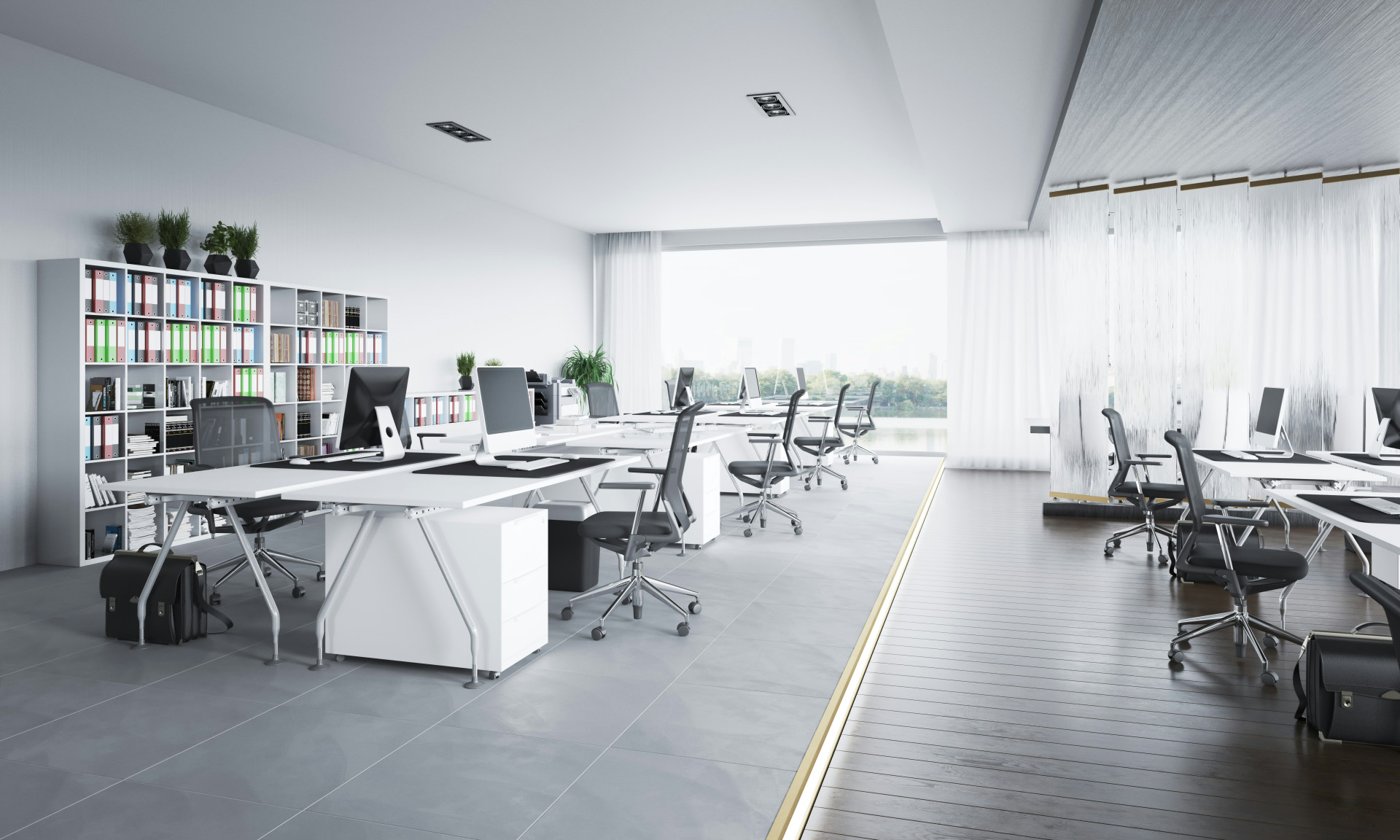
A workplace is more than just walls, desks, and chairs. It’s the setting for your company’s daily life – where ideas take shape, collaboration happens, and results are achieved. That’s why the design of your business premises should go beyond aesthetics. It should be purposeful, functional, and aligned with how your company actually works. When your space is planned around your workflows, it can enhance wellbeing, efficiency, and identity.
Start by Understanding the Workflows
Before you start rearranging furniture or ordering new fittings, take time to understand how work really happens in your organisation. What tasks are carried out each day? Who collaborates with whom? When is quiet focus needed, and when is teamwork essential?
Mapping out workflows can reveal bottlenecks, distractions, or unnecessary movement. Perhaps colleagues who often work together are seated far apart, or there aren’t enough quiet areas for concentrated work. Once you understand these patterns, you can design a space that supports – rather than hinders – your daily operations.
Læs også:
Zones with Different Purposes
Modern workplaces function best when they offer a variety of spaces for different needs. Consider dividing your premises into zones:
- Focus zones – quiet areas for deep, uninterrupted work.
- Collaboration zones – open, flexible spaces that encourage discussion and idea sharing.
- Meeting zones – rooms for scheduled meetings, as well as small “huddle spaces” for quick catch-ups.
- Relaxation zones – comfortable areas where staff can take a break, recharge, or have informal conversations.
By creating clear zones, employees can choose the environment that best suits their task – boosting both productivity and wellbeing.
Design as Communication
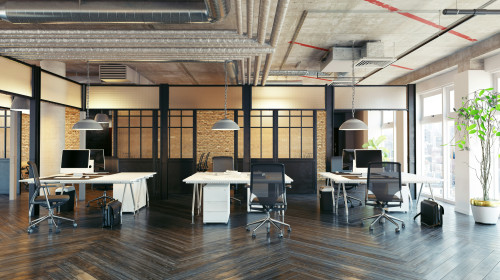
Your workspace says a lot about who you are as a company. A bright, open office with greenery and flexible workstations sends a very different message from a traditional office with fixed desks and closed doors. Think about how your premises can reflect your company’s values and culture.
If innovation and collaboration are central to your identity, let that show through shared project tables, writable walls, and informal meeting areas. If precision and confidentiality are more important, opt for more private rooms and a calm, understated design. The physical environment should communicate what your business stands for.
Light, Sound, and Air – The Invisible Essentials
Even the most carefully planned layout can fall short if the physical conditions aren’t right. Lighting, acoustics, and air quality have a major impact on comfort and performance.
- Light: Make the most of natural daylight and supplement it with adjustable lighting so employees can adapt brightness to their tasks.
- Sound: Use sound-absorbing materials such as carpets, acoustic panels, and partitions to reduce noise levels.
- Air: Ensure good ventilation and temperature control – it affects concentration more than you might think.
These elements may be invisible at first glance, but they are crucial to how a workspace feels and functions day to day.
Flexibility for the Future
Work life is changing rapidly, and your premises should be able to change with it. Flexible solutions – such as movable walls, modular furniture, and mobile workstations – make it easier to adapt as your business grows or your working methods evolve.
Technology integration is equally important. Wireless connectivity, video conferencing screens, and easy access to power and data in every zone allow people to work efficiently wherever they are in the building. A flexible, tech-ready environment helps future-proof your investment.
Involve Your Team
The best workplace designs come from involving the people who use the space every day. Employees know where the challenges lie and what improvements would make the biggest difference. Through workshops, surveys, or pilot areas, you can gather valuable feedback before making final decisions.
When staff feel a sense of ownership over the design, engagement rises – and the new workspace becomes not just a place to work, but a place people genuinely enjoy being in.
A Space with Purpose
Designing your business premises isn’t just about style – it’s a strategic decision. When your layout is based on your workflows, values, and people, the result is a space that both inspires and performs. A purposeful workplace is one where form and function work hand in hand – and every square metre contributes to making work better.
Læs også: