Corrugated cardboard – see the differences between the various types


Corrugated cardboard – see the differences between the various types
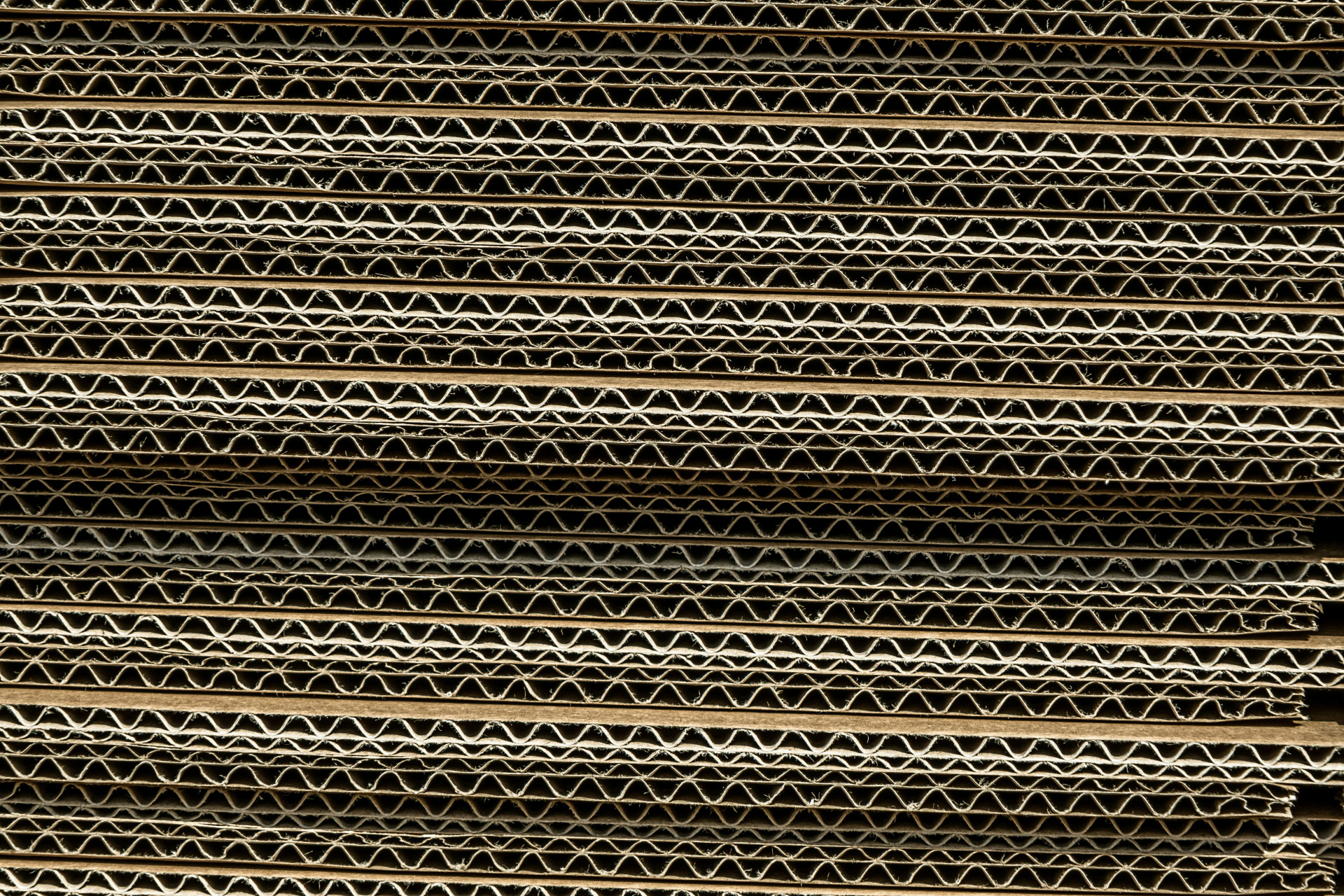
Corrugated cardboard is one of the most widely used packaging materials in business – from small webshop shipments to large industrial packages. The material is lightweight, strong and recyclable, making it an obvious choice for companies that want both practical and sustainable packaging. But not all corrugated cardboard is the same. Thickness, flute type and quality vary, and this has a major impact on how the material protects the contents.
In this article, you’ll get an overview of the most important differences between types of corrugated cardboard, what you should consider before choosing, and which manufacturers dominate the market.
The article presents a wide range of corrugated cardboard products representing different qualities, flute types and areas of application. The aim is to provide an informative overview of the options on the market – from light shipments to heavier goods. The information about the products is based on publicly available descriptions from manufacturers and retailers and is summarised to give a clear picture of the key characteristics.
Factors to consider when buying corrugated cardboard
When choosing corrugated cardboard, it’s not just about price, but also about functionality, strength and environmental considerations. Here are some of the most important factors to take into account.
1. Flute type and strength
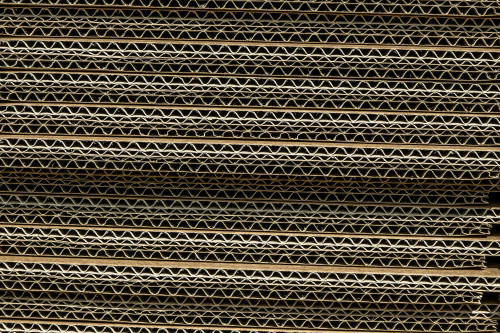
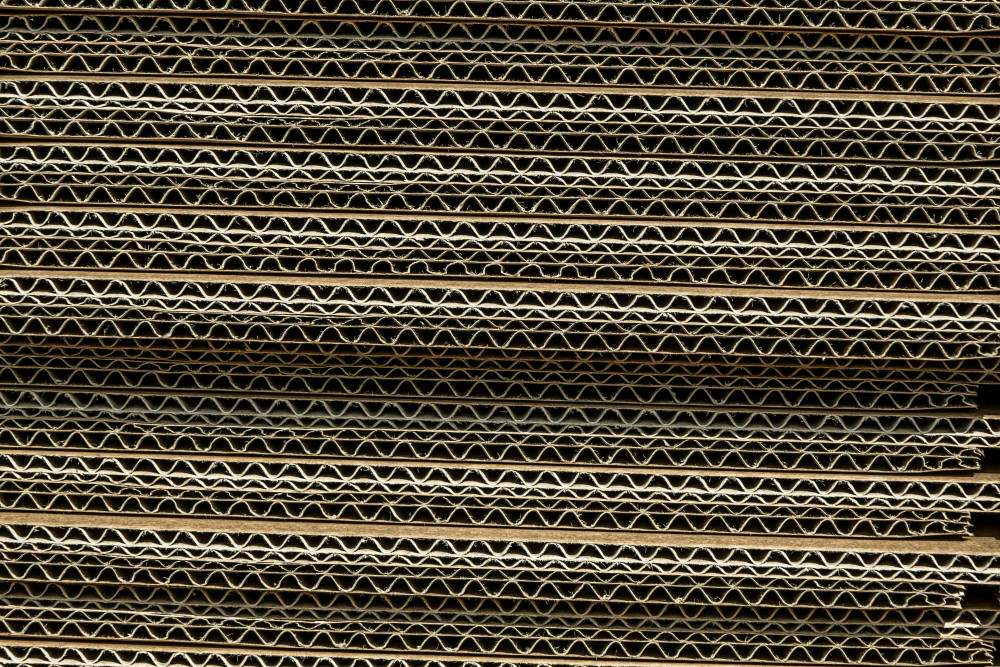
Corrugated cardboard comes in different flute types – e.g. E, B, C and double flute (BC). The greater the flute height, the better the cushioning, but also the higher the weight. For light products, a single flute may be sufficient, while heavier goods require double-fluted board for optimal protection.
2. Board quality and grammage
The quality of the paper used for corrugated cardboard varies. Higher grammage provides greater strength, but also higher price and weight. Consider how much load the packaging must withstand and then choose an appropriate quality.
3. Environment and recyclability
Most types of corrugated cardboard are made from recycled paper and can be recycled again. If your company actively works with sustainability, you can choose FSC-certified board or products with a high proportion of recycled material.
4. Format and customisation
Corrugated cardboard can be supplied as sheets, rolls or ready-made boxes. Sheets and rolls provide flexibility for custom packaging, while ready-made boxes save time in the packing process. Consider what best suits your production and logistics.
5. Price and delivery reliability
The price depends on both board quality, flute type and supplier. For companies with high consumption, it may be worthwhile to enter into fixed agreements to ensure stable prices and fast delivery.
Products in focus
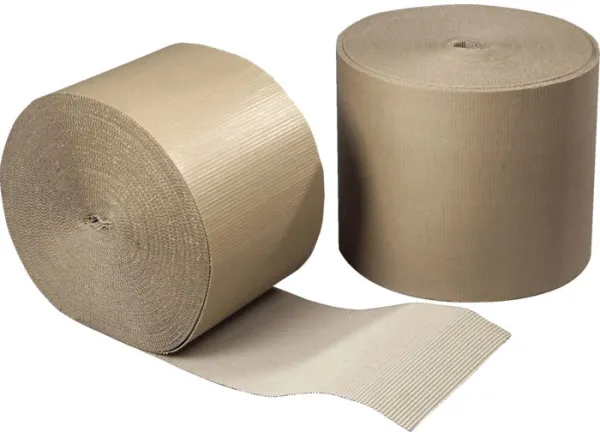
This roll of brown corrugated cardboard is made as a single-layer material that combines corrugated and liner paper to achieve strength and flexibility. With a width of 150 cm and a length of 70 metres, it provides good coverage for larger items or longer series of packing tasks.
The corrugated cardboard is suitable for protecting products against shocks, pressure, and scratches during transport and storage. It can be used as wrapping material, as an interlayer between products, or as a protective layer in boxes and pallets.
The material is developed with a focus on durability and resistance to perforation. It is also produced under quality management according to ISO 9001 and with environmental and energy management according to ISO 14001 and ISO 50001, supporting sustainable production.
The manufacturer behind the product is Antalis, known for packaging and paper products for commercial use.
- Large roll width: 150 cm allows for wrapping of larger items.
- Long roll length: 70 metres per roll ensures efficient use in production and packing.
- Single-layer construction: Combination of corrugated and liner paper provides strength and flexibility.
- Brown colour: Classic appearance that suits most packaging purposes.
- Certified production: Manufactured under ISO 9001, 14001, and 50001 standards.
Pros and cons
- Suitable for many types of packaging tasks
- Large roll width and length provide flexibility
- Produced under certified quality and environmental standards
- Can be recycled as cardboard material
- Single-layer corrugated cardboard provides less shock absorption than multi-layer variants
- Requires storage space due to the size of the roll
Pros and cons
Pros
- Suitable for many types of packaging tasks
- Large roll width and length provide flexibility
- Produced under certified quality and environmental standards
- Can be recycled as cardboard material
Cons
- Single-layer corrugated cardboard provides less shock absorption than multi-layer variants
- Requires storage space due to the size of the roll
Pros
- Suitable for many types of packaging tasks
- Large roll width and length provide flexibility
- Produced under certified quality and environmental standards
- Can be recycled as cardboard material
Cons
- Single-layer corrugated cardboard provides less shock absorption than multi-layer variants
- Requires storage space due to the size of the roll
Specifications
- Item number: 202.0150
- Colour: Brown
- Type: Single-layer corrugated cardboard
- Width: 150 cm
- Length: 70 m
- Manufacturer: Antalis
- Certifications: ISO 9001, ISO 14001, ISO 50001
- Packaging tax: 21.12 DKK
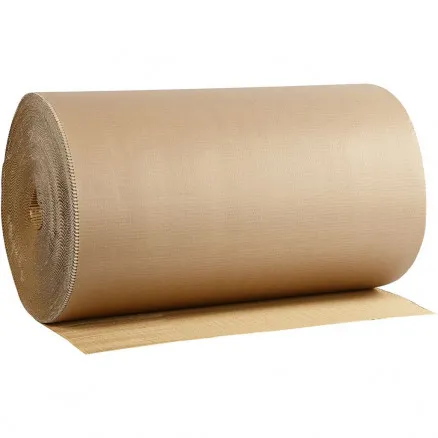
This corrugated cardboard comes as a roll with a width of 70 cm and a length of 70 metres. The material has a characteristic wavy structure that provides natural cushioning and protects fragile items from shocks and pressure during transport or storage.
The paper is made in a grey-brown shade and can easily be cut to the desired sizes, making it flexible for many types of applications – from wrapping goods to protecting surfaces.
Corrugated cardboard is an environmentally friendly choice as it is biodegradable and recyclable. This makes it a sustainable alternative to plastic-based packaging materials.
The material is robust and suitable for most common packaging tasks but should be kept dry as moisture can weaken the cardboard structure.
- Width: 70 cm
- Length: 70 metres per roll
- Material: Grey-brown corrugated cardboard
- Function: Protection and wrapping of items
- Environmentally friendly choice: Biodegradable and recyclable
Pros and cons
- Effective protection against shocks and pressure
- Can be adjusted in size as needed
- Environmentally friendly and recyclable material
- Suitable for many types of packaging tasks
- Should be stored dry to avoid weakening of the material
- Not suitable for damp or wet environments
Pros and cons
Pros
- Effective protection against shocks and pressure
- Can be adjusted in size as needed
- Environmentally friendly and recyclable material
- Suitable for many types of packaging tasks
Cons
- Should be stored dry to avoid weakening of the material
- Not suitable for damp or wet environments
Pros
- Effective protection against shocks and pressure
- Can be adjusted in size as needed
- Environmentally friendly and recyclable material
- Suitable for many types of packaging tasks
Cons
- Should be stored dry to avoid weakening of the material
- Not suitable for damp or wet environments
Specifications
- Product name: Corrugated cardboard, W: 70 cm, 70 m/ 1 roll.
- Item number: 8-21964
- Manufacturer: Various
- Width: 70 cm
- Length: 70 metres
- Quantity: 1 roll
- Colour: Grey-brown
- EAN: 7350010440413
Product descriptions
This roll of brown corrugated cardboard is made as a single-layer material that combines corrugated and liner paper to achieve strength and flexibility. With a width of 150 cm and a length of 70 metres, it provides good coverage for larger items or longer series of packing tasks.
The corrugated cardboard is suitable for protecting products against shocks, pressure, and scratches during transport and storage. It can be used as wrapping material, as an interlayer between products, or as a protective layer in boxes and pallets.
The material is developed with a focus on durability and resistance to perforation. It is also produced under quality management according to ISO 9001 and with environmental and energy management according to ISO 14001 and ISO 50001, supporting sustainable production.
The manufacturer behind the product is Antalis, known for packaging and paper products for commercial use.
- Large roll width: 150 cm allows for wrapping of larger items.
- Long roll length: 70 metres per roll ensures efficient use in production and packing.
- Single-layer construction: Combination of corrugated and liner paper provides strength and flexibility.
- Brown colour: Classic appearance that suits most packaging purposes.
- Certified production: Manufactured under ISO 9001, 14001, and 50001 standards.
Pros and cons
- Suitable for many types of packaging tasks
- Large roll width and length provide flexibility
- Produced under certified quality and environmental standards
- Can be recycled as cardboard material
- Single-layer corrugated cardboard provides less shock absorption than multi-layer variants
- Requires storage space due to the size of the roll
Pros and cons
Pros
- Suitable for many types of packaging tasks
- Large roll width and length provide flexibility
- Produced under certified quality and environmental standards
- Can be recycled as cardboard material
Cons
- Single-layer corrugated cardboard provides less shock absorption than multi-layer variants
- Requires storage space due to the size of the roll
Pros
- Suitable for many types of packaging tasks
- Large roll width and length provide flexibility
- Produced under certified quality and environmental standards
- Can be recycled as cardboard material
Cons
- Single-layer corrugated cardboard provides less shock absorption than multi-layer variants
- Requires storage space due to the size of the roll
Specifications
- Item number: 202.0150
- Colour: Brown
- Type: Single-layer corrugated cardboard
- Width: 150 cm
- Length: 70 m
- Manufacturer: Antalis
- Certifications: ISO 9001, ISO 14001, ISO 50001
- Packaging tax: 21.12 DKK
This corrugated cardboard comes as a roll with a width of 70 cm and a length of 70 metres. The material has a characteristic wavy structure that provides natural cushioning and protects fragile items from shocks and pressure during transport or storage.
The paper is made in a grey-brown shade and can easily be cut to the desired sizes, making it flexible for many types of applications – from wrapping goods to protecting surfaces.
Corrugated cardboard is an environmentally friendly choice as it is biodegradable and recyclable. This makes it a sustainable alternative to plastic-based packaging materials.
The material is robust and suitable for most common packaging tasks but should be kept dry as moisture can weaken the cardboard structure.
- Width: 70 cm
- Length: 70 metres per roll
- Material: Grey-brown corrugated cardboard
- Function: Protection and wrapping of items
- Environmentally friendly choice: Biodegradable and recyclable
Pros and cons
- Effective protection against shocks and pressure
- Can be adjusted in size as needed
- Environmentally friendly and recyclable material
- Suitable for many types of packaging tasks
- Should be stored dry to avoid weakening of the material
- Not suitable for damp or wet environments
Pros and cons
Pros
- Effective protection against shocks and pressure
- Can be adjusted in size as needed
- Environmentally friendly and recyclable material
- Suitable for many types of packaging tasks
Cons
- Should be stored dry to avoid weakening of the material
- Not suitable for damp or wet environments
Pros
- Effective protection against shocks and pressure
- Can be adjusted in size as needed
- Environmentally friendly and recyclable material
- Suitable for many types of packaging tasks
Cons
- Should be stored dry to avoid weakening of the material
- Not suitable for damp or wet environments
Specifications
- Product name: Corrugated cardboard, W: 70 cm, 70 m/ 1 roll.
- Item number: 8-21964
- Manufacturer: Various
- Width: 70 cm
- Length: 70 metres
- Quantity: 1 roll
- Colour: Grey-brown
- EAN: 7350010440413
Different types of corrugated cardboard
Corrugated cardboard comes in many variants, each with its own advantages depending on the application.
1. Single-wall corrugated cardboard
Single-wall board consists of two layers of flat paper with a fluted layer in between. It is light and flexible, making it ideal for smaller shipments and products that do not require heavy protection.
2. Double-wall corrugated cardboard
Double-wall board has two fluted layers and three flat layers. It provides extra strength and shock absorption and is typically used for heavier goods or transport over longer distances.
3. Microflute corrugated cardboard
Microflute board (E-flute) has very small flutes and a smooth surface, making it well suited for printing and presentation packaging. It is often used for retail packaging where appearance matters.
4. Kraftliner and testliner
The outer layer of corrugated cardboard can be made of kraftliner (virgin fibre) or testliner (recycled paper). Kraftliner provides higher strength and better moisture resistance, while testliner is a more economical and environmentally friendly choice.
Different brands within corrugated cardboard
The corrugated cardboard market is dominated by both international groups and local manufacturers, each with their own areas of focus.
Smurfit Kappa
Smurfit Kappa is one of the world’s largest producers of corrugated packaging solutions. They offer a wide range from standard boxes to customised solutions with a focus on sustainability and innovation.
DS Smith
DS Smith is known for combining functionality with environmental considerations. Their products are often made from recycled paper and developed with a focus on efficient logistics and reduced material consumption.
Stora Enso
Stora Enso produces corrugated cardboard with a focus on the circular economy and sustainable raw materials. They offer both standard products and custom-designed packaging for industry.
Ranpak
Ranpak specialises in environmentally friendly packaging solutions and offers corrugated cardboard and paper-based alternatives to plastic fill. Their products are often used as protective fill in shipments.
Antalis
Antalis is a major distributor of packaging materials, including corrugated cardboard in many formats and qualities. They supply both small and large companies with a focus on flexibility and fast delivery.
Frequently asked questions
What is the difference between single- and double-wall corrugated cardboard?
Single-wall board is lighter and more flexible, while double-wall board provides increased strength and better protection against impact. The choice depends on how heavy and fragile your product is.
Can corrugated cardboard be recycled?
Yes, corrugated cardboard is 100% recyclable and can be used in the production of new board. This makes it an environmentally friendly choice for companies that want to reduce their waste and CO₂ footprint.
Which flute type is best for shipping?
For standard shipments, B- or C-flute corrugated cardboard is often sufficient. For heavier goods or export, double-wall board (BC) is recommended, as it provides extra strength and stability.
How should corrugated cardboard be stored?
Corrugated cardboard should be stored dry and at room temperature to avoid moisture damage. Avoid direct sunlight and high humidity, as this can weaken the material.
Is corrugated cardboard suitable for food packaging?
Yes, certain types of corrugated cardboard are approved for food contact. However, it is important to choose products that meet applicable food standards and certifications.
Læs også: