Greener Warehouse Operations: Choose Eco‑Friendly Solutions for Internal Storage and Transport

Greener Warehouse Operations: Choose Eco‑Friendly Solutions for Internal Storage and Transport
The green transition is not only about electric vehicles and solar panels – it also starts inside the warehouse. As UK businesses place greater emphasis on sustainability, it’s becoming clear that internal logistics and storage play a crucial role. From material choices to energy use and waste management, small changes in warehouse operations can make a big difference for both the environment and the bottom line. Here’s how you can make your warehouse greener with eco‑friendly solutions for storage and internal transport.
Design Sustainability into Your Warehouse Layout
A sustainable warehouse begins with smart design. The more efficiently space is used, the less energy is needed for lighting, heating, and internal transport. Adjustable racking systems that make full use of vertical space can help you avoid unnecessary expansion and reduce your environmental footprint.
Choose materials with a low environmental impact – for example, shelving and pallets made from recycled steel or FSC‑certified timber. Many UK suppliers now offer modular systems that can be dismantled and reused when the warehouse layout changes. This reduces waste and the need for new raw materials.
Energy‑Efficient Lighting and Operations
Lighting accounts for a significant share of a warehouse’s energy consumption. Switching to LED fixtures with motion sensors can dramatically cut electricity use. Sensors ensure that lights are only on where and when they’re needed.
Make the most of natural daylight too. Skylights and energy‑efficient windows can create a more pleasant working environment while reducing the need for artificial lighting.
Heating and ventilation can also be optimised with energy‑efficient systems that recover heat from machinery or exhaust air. Although these upgrades require investment, they often pay for themselves within a few years through lower energy bills.
Eco‑Friendly Internal Transport
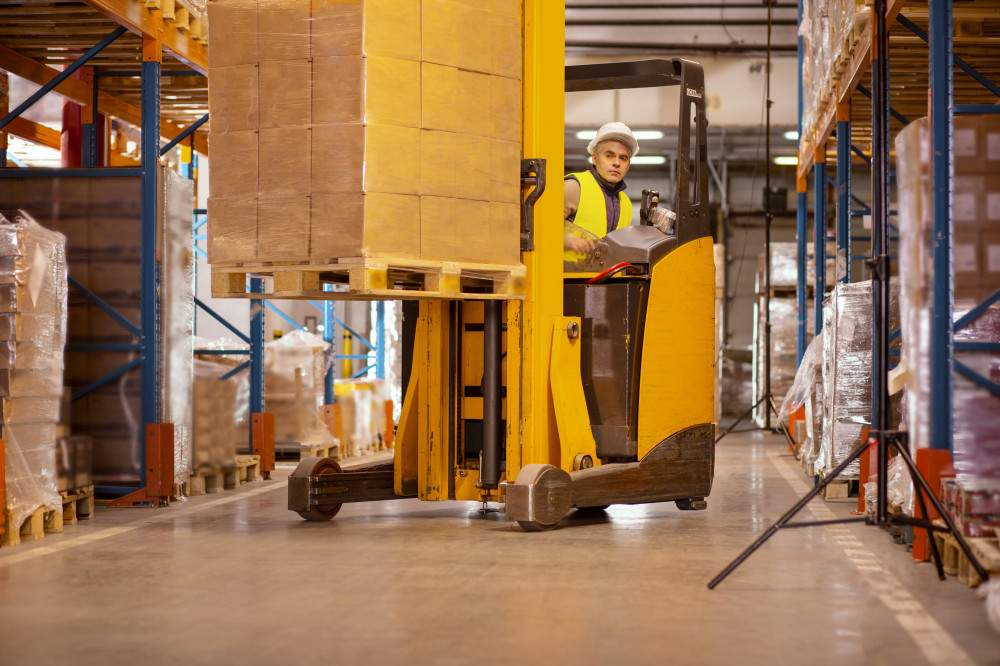
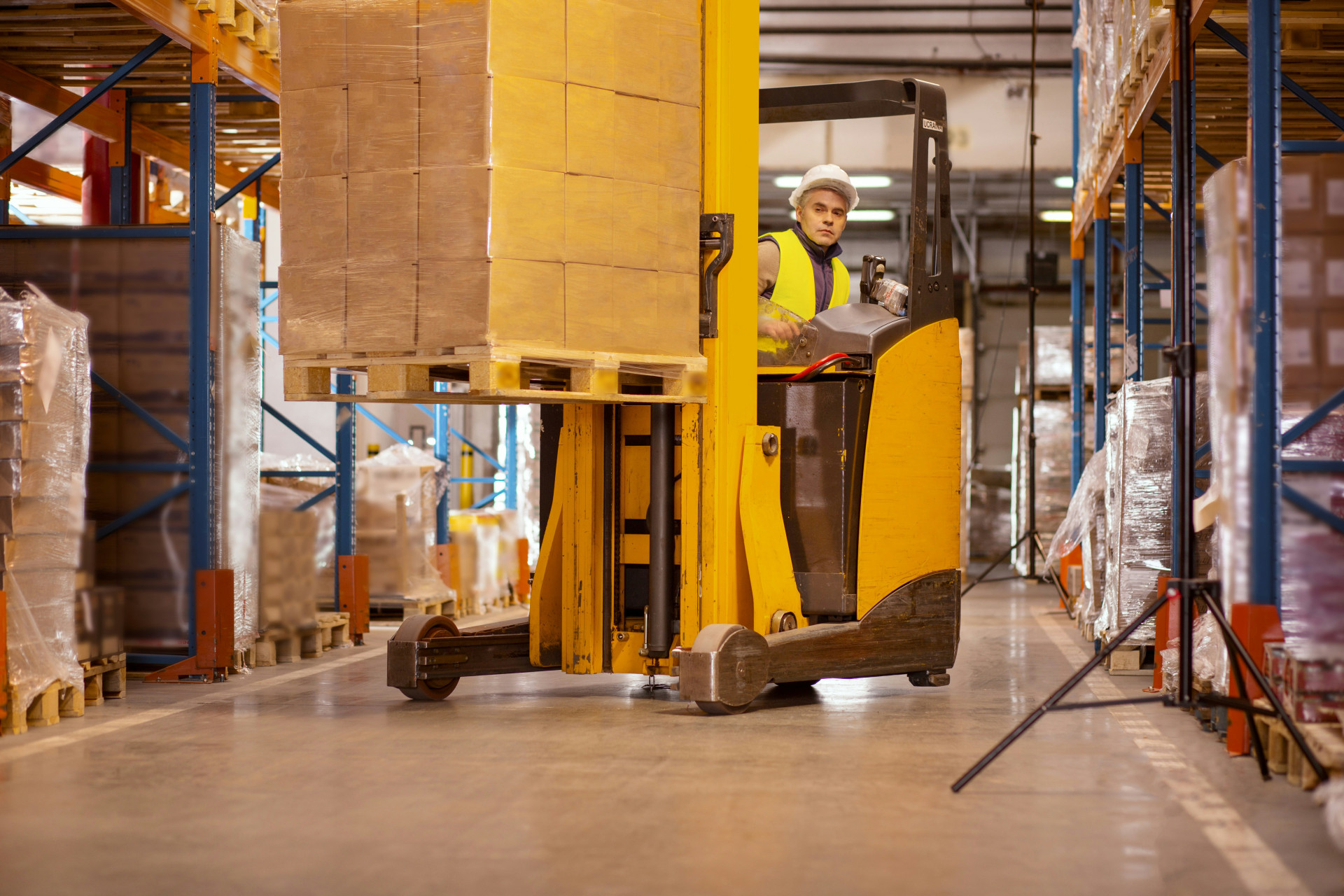
Internal transport – such as forklift and pallet truck operations – offers great potential for reducing CO₂ emissions. Electric forklifts and pallet movers are now powerful, reliable alternatives to diesel or LPG models. They produce no harmful emissions, generate less noise, and require less maintenance.
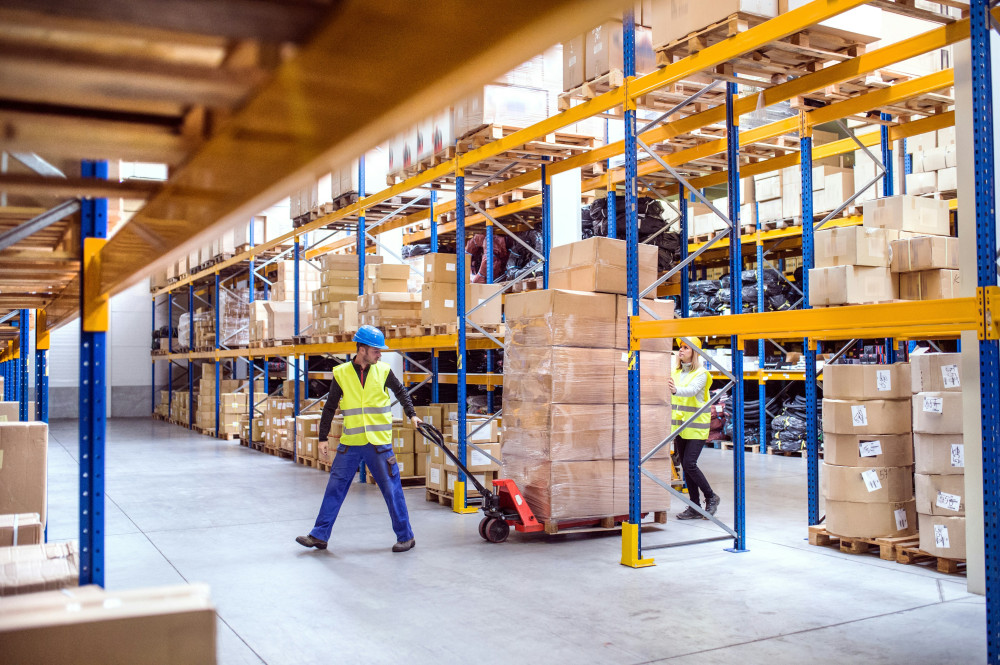
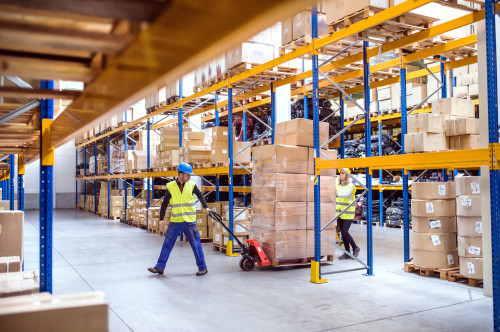
For smaller warehouses, manual or hybrid solutions that combine human movement with electric assistance can reduce energy use and improve ergonomics.
Digital route planning and warehouse management systems can also help minimise unnecessary travel. By analysing product flow, you can optimise item placement and shorten transport routes.
Reuse and Circular Materials in Storage
Packaging and storage equipment are often overlooked environmental factors. By choosing reusable plastic crates, pallet collars, and containers, you can significantly reduce single‑use waste. Many UK companies now operate return systems where packaging circulates between suppliers and warehouses.
Use removable or replaceable labels and colour codes so that containers can be reused for different purposes without damage. When shelving or equipment needs replacing, consider selling or donating it rather than discarding it. Extending the life of materials reduces waste and supports a circular economy.
Læs også:


Digitalisation as a Green Tool
Digital tools can be key to more sustainable warehouse operations. A modern warehouse management system (WMS) can optimise picking routes, reduce errors, and minimise waste. Data insights can also help monitor energy use and identify areas for improvement.
Automation and robotics can contribute to greener operations when implemented thoughtfully. Robots can work with high precision and energy efficiency, reducing unnecessary movement and material waste.
By combining technology with sustainable principles, you can create a warehouse that is both efficient and environmentally responsible.
Build a Green Culture Among Employees
Technology and equipment matter, but the biggest impact comes when employees think green in their daily routines. Establish clear guidelines for waste sorting, energy saving, and safe material handling.
Motivate staff by sharing visible results – for example, how much energy or waste has been saved each month. Small competitions or green initiatives can boost engagement and make sustainability a natural part of workplace culture.
An Investment in the Future
Making warehouse operations greener requires planning and investment, but the benefits are substantial: lower operating costs, a healthier work environment, and a stronger brand reputation. Customers and partners increasingly expect documented sustainability efforts.
By taking steps towards more eco‑friendly warehouse operations, your business demonstrates responsibility – not only for efficiency, but also for the future.
Læs også: