Optimizing hybrid meeting spaces: best practices for implementing professional av systems

Optimizing hybrid meeting spaces: best practices for implementing professional av systems
Creating an effective hybrid meeting environment requires a strategic shift from simple hardware installation to the design of an integrated experience. Modern organizations are moving beyond basic camera setups, focusing instead on meeting equity, audio intelligibility, and a low-friction user experience that bridges the gap between remote and in-room participants. By prioritizing professional AV systems that offer seamless platform compatibility and intelligent automation, businesses can ensure that every attendee has an equal opportunity to contribute. Integrating advanced technology such as Biamp audio and video systems allows companies to build cohesive workflows that support diverse meeting styles, from small huddle rooms to expansive conference spaces.
Core best practices for professional av systems
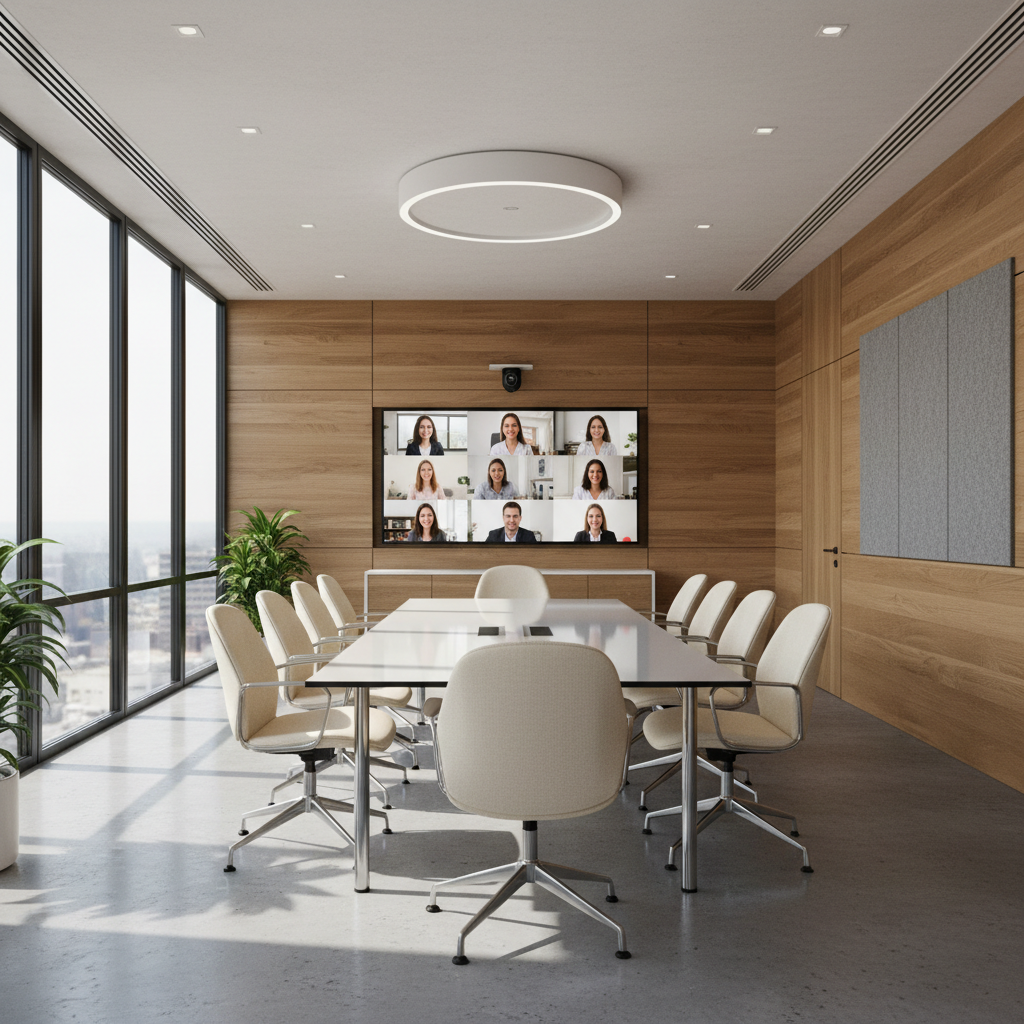
The foundation of any successful hybrid space is high-quality audio, as remote participants are significantly more likely to disengage if speech is inconsistent or unclear. Design teams should treat acoustics as a fundamental requirement rather than an afterthought, incorporating sound-absorbing materials to reduce echo and ambient noise. Furthermore, selecting the right equipment based on room size is essential for budget and performance efficiency. For instance, while huddle rooms may only require an all-in-one bar, larger conference rooms benefit from ceiling-mounted microphones, digital signal processors, and PTZ cameras that provide consistent coverage. Investing in platform-native solutions ensures that employees can join meetings with a single touch, significantly reducing the burden on IT support teams.
Beyond the hardware itself, the modern workplace is increasingly reliant on data-driven insights and automation to maintain operational health. Predictive diagnostics and occupancy sensing allow facilities managers to monitor device status and space usage in real time, turning the meeting room into a smart environment. These intelligent features facilitate a more sustainable and productive office culture by optimizing energy consumption and identifying when rooms need maintenance. When planning these upgrades, organizations should consider the following key factors to ensure a future-proof installation:
As industry standards evolve toward 2026, the focus on equity-centered design will continue to define the most successful hybrid office deployments. Remote participants should feel like first-class citizens, which requires thoughtful camera placement and dynamic switching that keeps the focus on the active speaker. By balancing sophisticated AI tools with user-friendly controls, businesses can foster a collaborative atmosphere that transcends physical boundaries. Ultimately, the best hybrid spaces are those where technology remains invisible, allowing teams to focus entirely on their communication goals rather than troubleshooting connectivity issues or poor sound quality.