Transforming course rooms: From typical to inspiring spaces
Transforming course rooms: From typical to inspiring spaces
The Need for Transformation
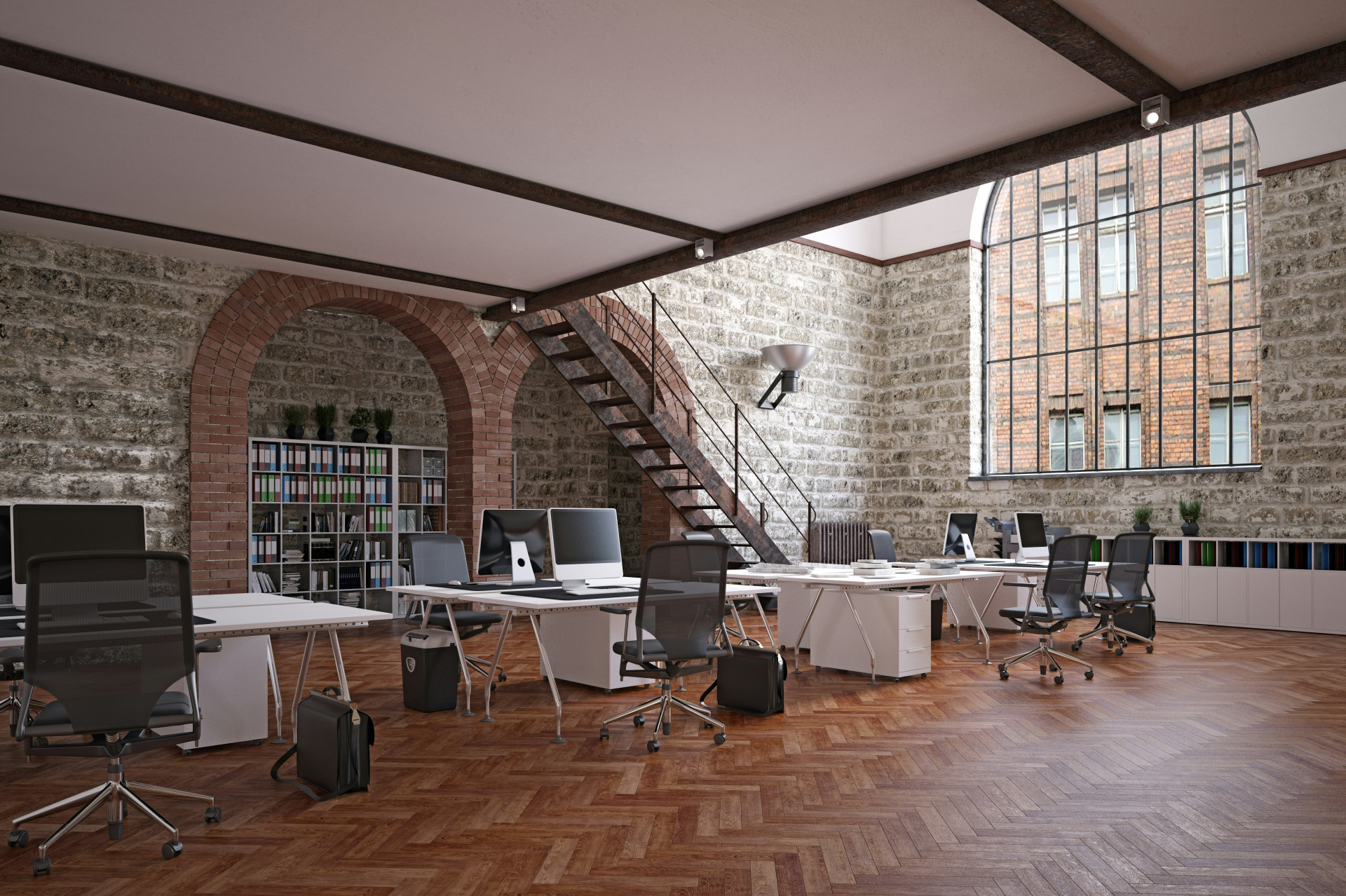
Traditional course rooms often prioritize functionality over inspiration. Rows of desks facing a whiteboard leave little room for creativity or engagement. This setup can lead to disengaged students and diminished learning experiences. As educational paradigms shift toward collaborative and experiential learning, the physical environment must adapt as well.
Understanding the Impact of Space on Learning
The design of a classroom significantly influences how students interact with each other and absorb information. Research shows that a well-designed learning environment can enhance motivation, increase participation, and boost academic performance. A space that fosters creativity and collaboration not only aids in retention but also inspired critical thinking.
Redesigning the Classroom Layout
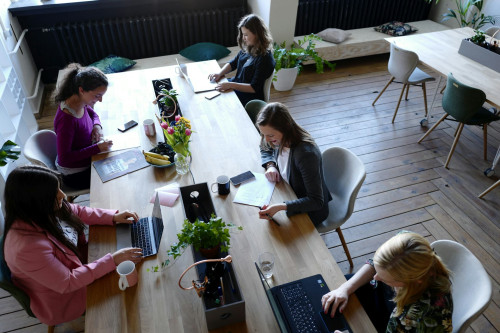
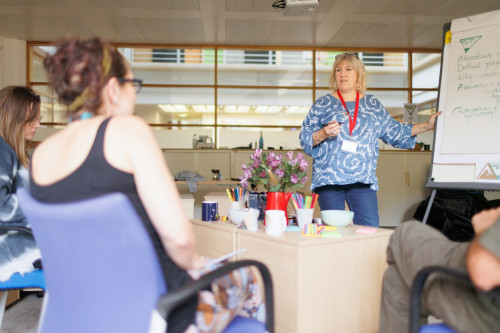
One of the first steps in transforming a course room is to rethink its layout. Moving away from traditional rows to circular or collaborative seating arrangements can facilitate interaction. Group setups encourage discussion and teamwork, while flexible furniture allows for quick reconfiguration for various activities.
Incorporating movable desks and chairs can help create an adaptable environment. This flexibility lets educators tailor the space to specific activities or learning styles—whether that involves brainstorming sessions, individual work, or group discussions. The key is to promote movement and interaction, moving away from a passive learning model.
Incorporating Technology
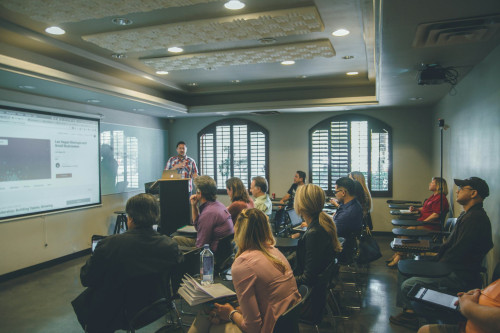
To enhance and inspire learning spaces, integrating technology is essential. Interactive whiteboards, projectors, and individual tablets can transform the way courses are taught. This tech not only engages students but also allows for a variety of teaching methods, such as flipped classrooms or blended learning.
In addition to hardware, incorporating software tools like collaborative platforms can foster a sense of community. Platforms that allow for real-time collaboration encourage students to work in tandem, regardless of physical distance. By incorporating technology thoughtfully into the classroom design, educators can prepare students for their increasingly digital futures.
Infusing Creativity with Decor
A classrooms decor can set the tone for the entire learning experience. Color schemes, artwork, and educational posters can create an inviting atmosphere and stimulate creative thinking. Vibrant colors can energize students, while calming hues can aid in focus and concentration.
Additionally, involving students in the decor process can enhance ownership and involvement. Collaborative art projects, inspirational quotes, or student-generated content can make the space feel personalized and relatable. Such designs foster a sense of belonging and safety, allowing students to thrive psychologically and intellectually.
Creating Zones for Different Learning Styles
Not all students learn the same way, and effective course rooms should reflect this diversity. Creating designated zones in the classroom can cater to various learning styles. For instance, a quiet zone with comfy seating can serve as a reading nook, while a collaborative space can be set up for group projects.
In addition, spaces for hands-on activities, such as science experiments or art projects, should be easily accessible. By providing different environments within the same room, educators can accommodate auditory, visual, and kinesthetic learners—all crucial for maximizing engagement.
Involvement of Stakeholders
Transforming course rooms is not solely the responsibility of educators. Involving stakeholders—students, parents, and school administration—can lead to a collective vision for the space. Gathering feedback through surveys or focus groups helps in understanding what students and teachers need and want from their learning environments.
Moreover, collaboration with interior designers or educational consultants can enhance the transformation. Their expertise can ensure that the redesign adheres to the best practices in educational design. A well-thought-out collaborative approach can elevate the process from mere physical change to a holistic enhancement of learning experiences.
Sustainable Choices for the Future
In today’s environment-conscious society, making sustainable choices in classroom design is paramount. Opting for eco-friendly materials and furniture can reduce the environmental impact while promoting health and well-being. For instance, using non-toxic paints, energy-efficient lighting, and recycled materials can contribute to a greener, more sustainable space.
Additionally, teaching students about sustainability within their learning environments can encourage responsible behaviors. Implementing recycling stations or planting gardens can immerse students in their ecological footprint, serving not only as a lesson but also as a means for practical application.
Expanding the Classroom Beyond Four Walls
Finally, to fully transform learning experiences, educators should aim to extend the classroom beyond its four walls. Outdoor spaces can serve as exceptional venues for learning, providing fresh air and direct engagement with nature.
Field trips, community projects, and virtual classrooms introduce students to real-world applications of their studies. Such experiences can reignite passion for learning, reinforcing the notion that education is not confined to a single space, but is an ongoing, enriching journey.